

7 products
-
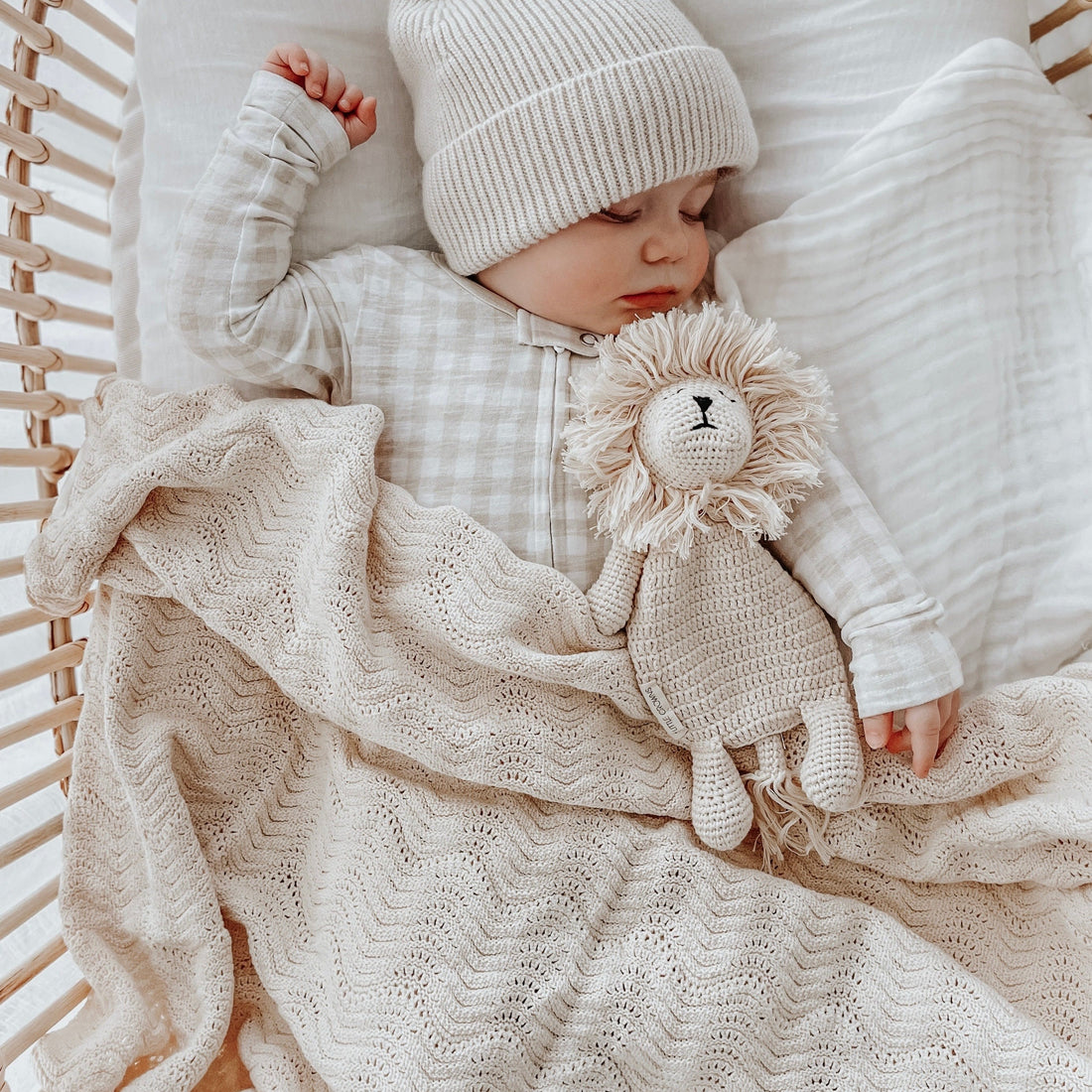
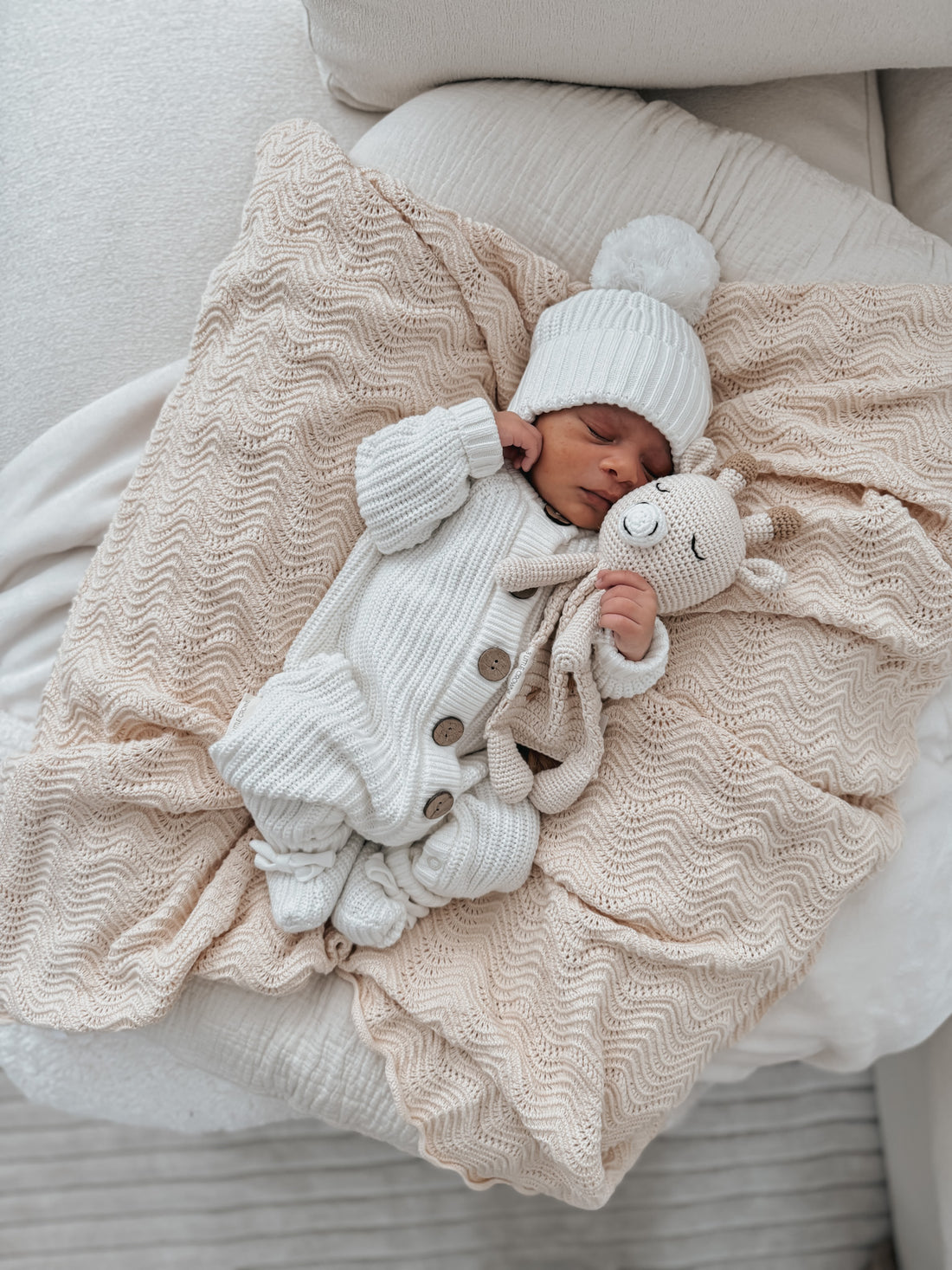 Wave Knit Blanket - OatWave Knit Blanket Oat
- Regular price
-
$86.95 AUD - Regular price
-
- Sale price
-
$86.95 AUD
-
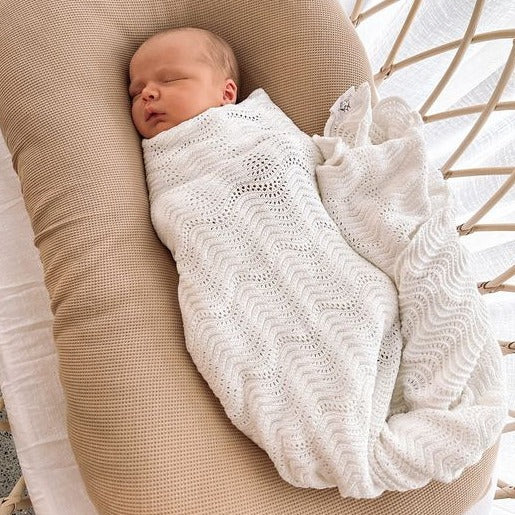
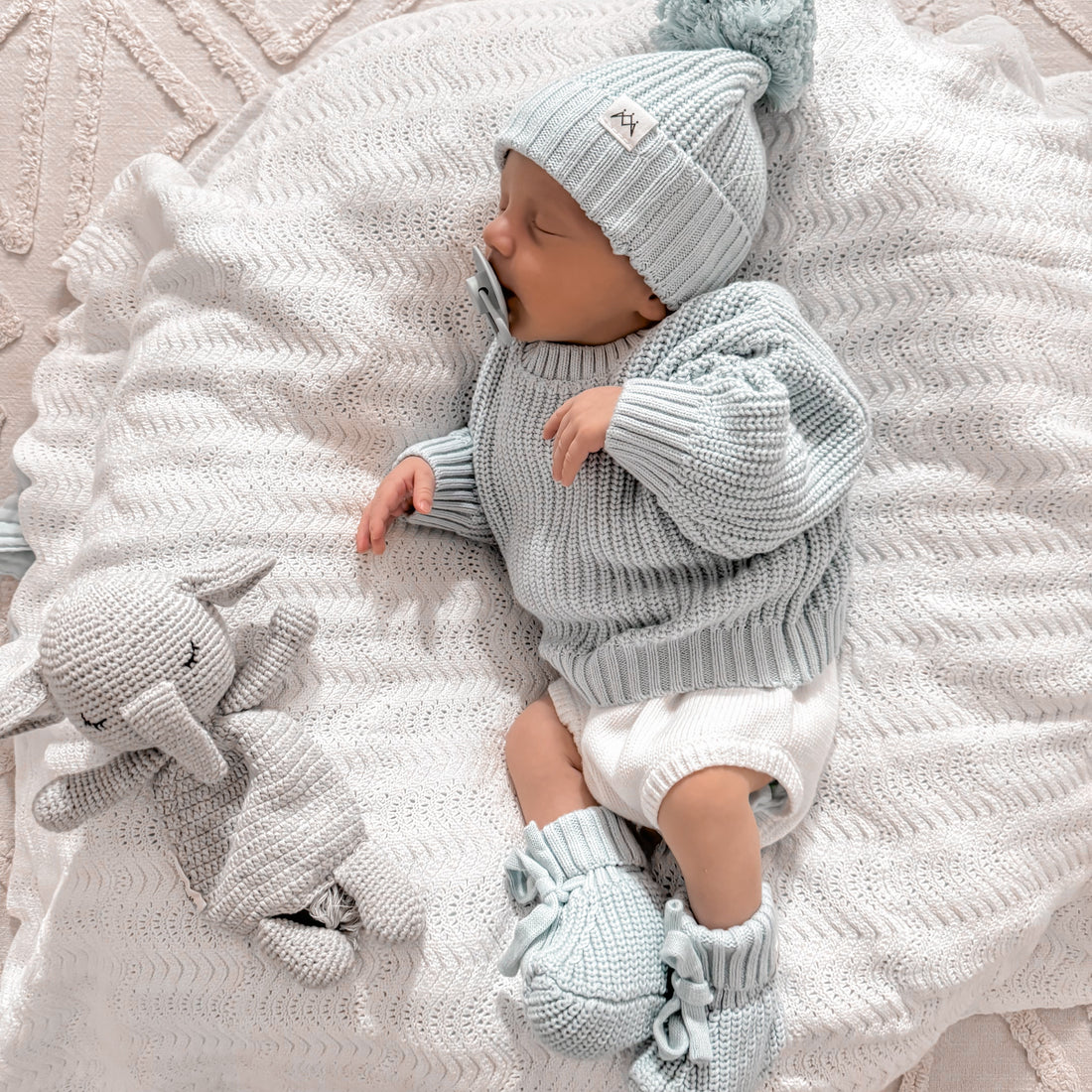 Wave Knit Blanket - IvoryWave Knit Blanket Ivory
- Regular price
-
$86.95 AUD - Regular price
-
- Sale price
-
$86.95 AUD
-
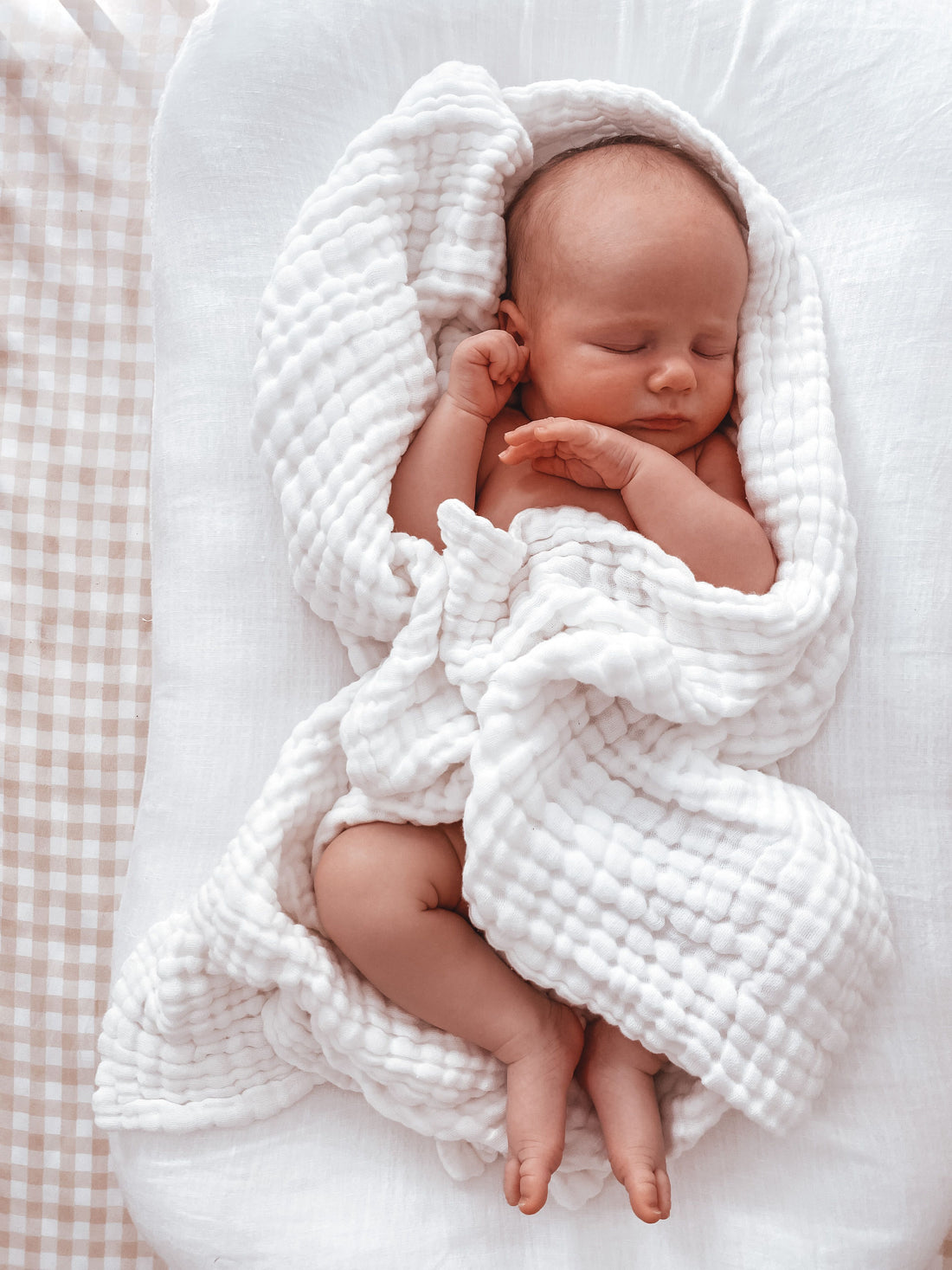
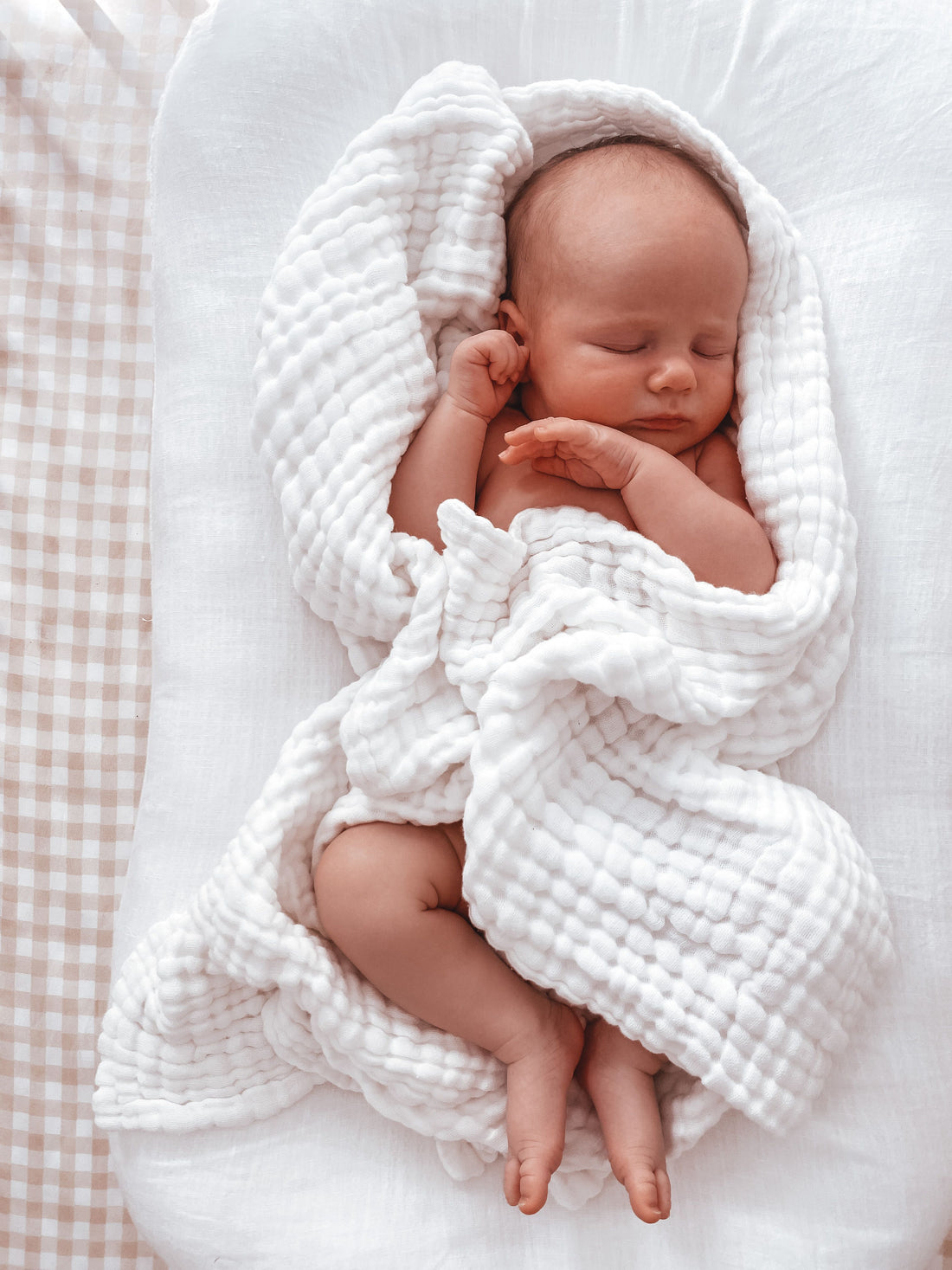
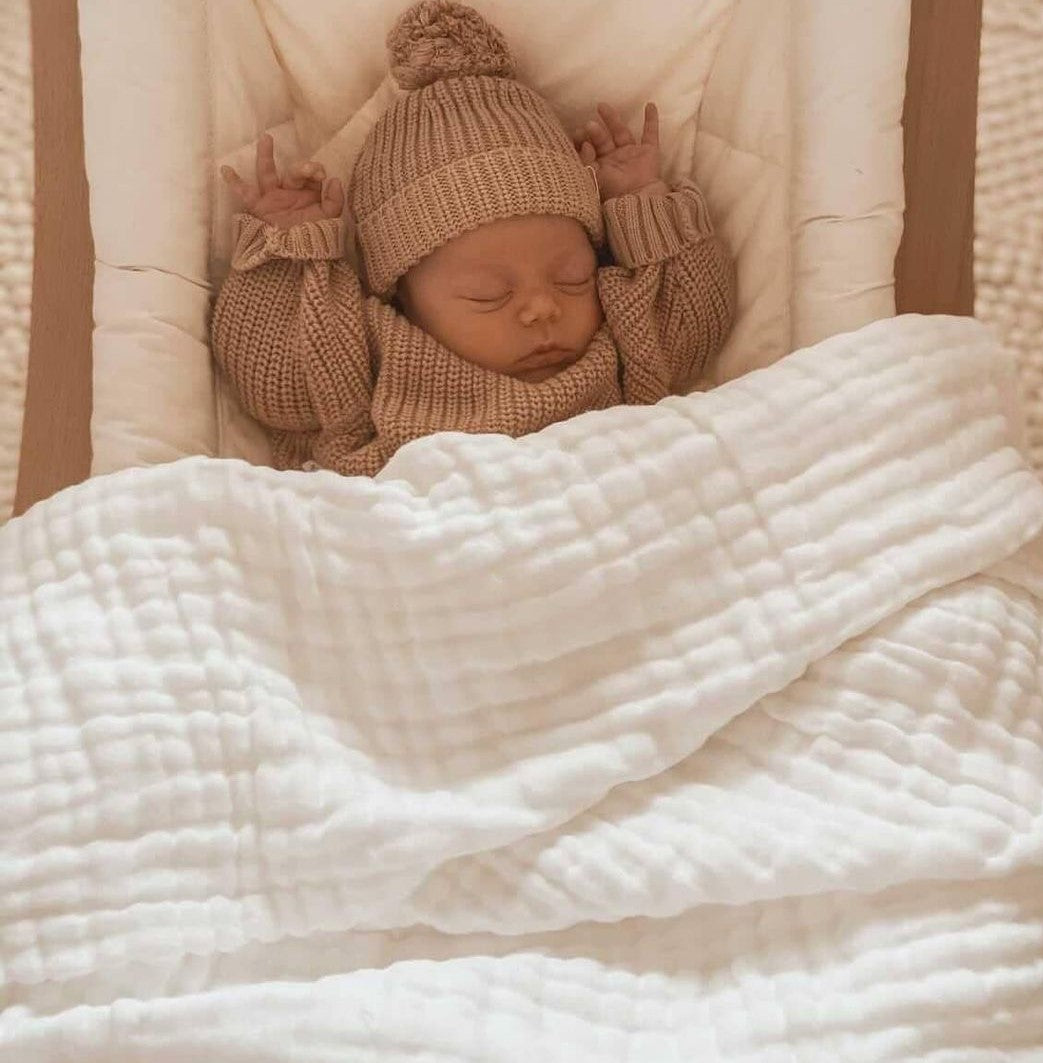 Organic Cotton Gauze BlanketOrganic Cotton Gauze Blanket
- Regular price
-
$57.95 AUD - Regular price
-
- Sale price
-
$57.95 AUD
-
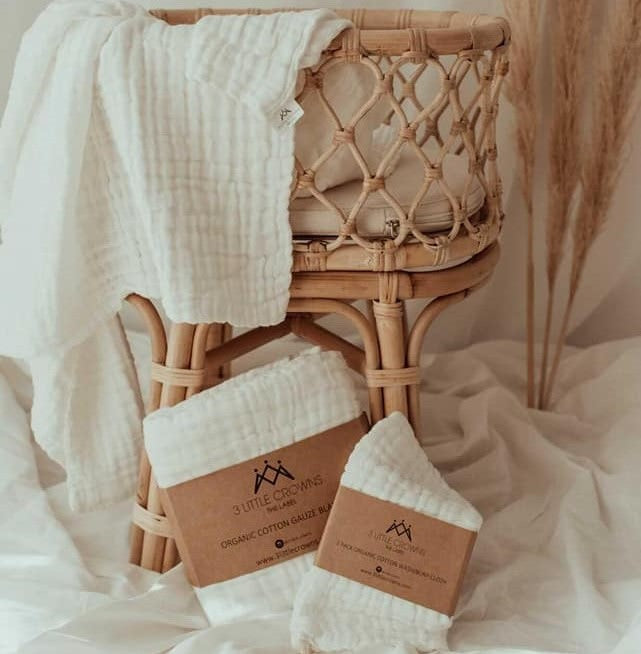
 Organic Blanket & Wash Cloth BundleOrganic Blanket & Wash Cloth Bundle
- Regular price
-
$64.95 AUD - Regular price
-
$75.90 AUD - Sale price
-
$64.95 AUD
-
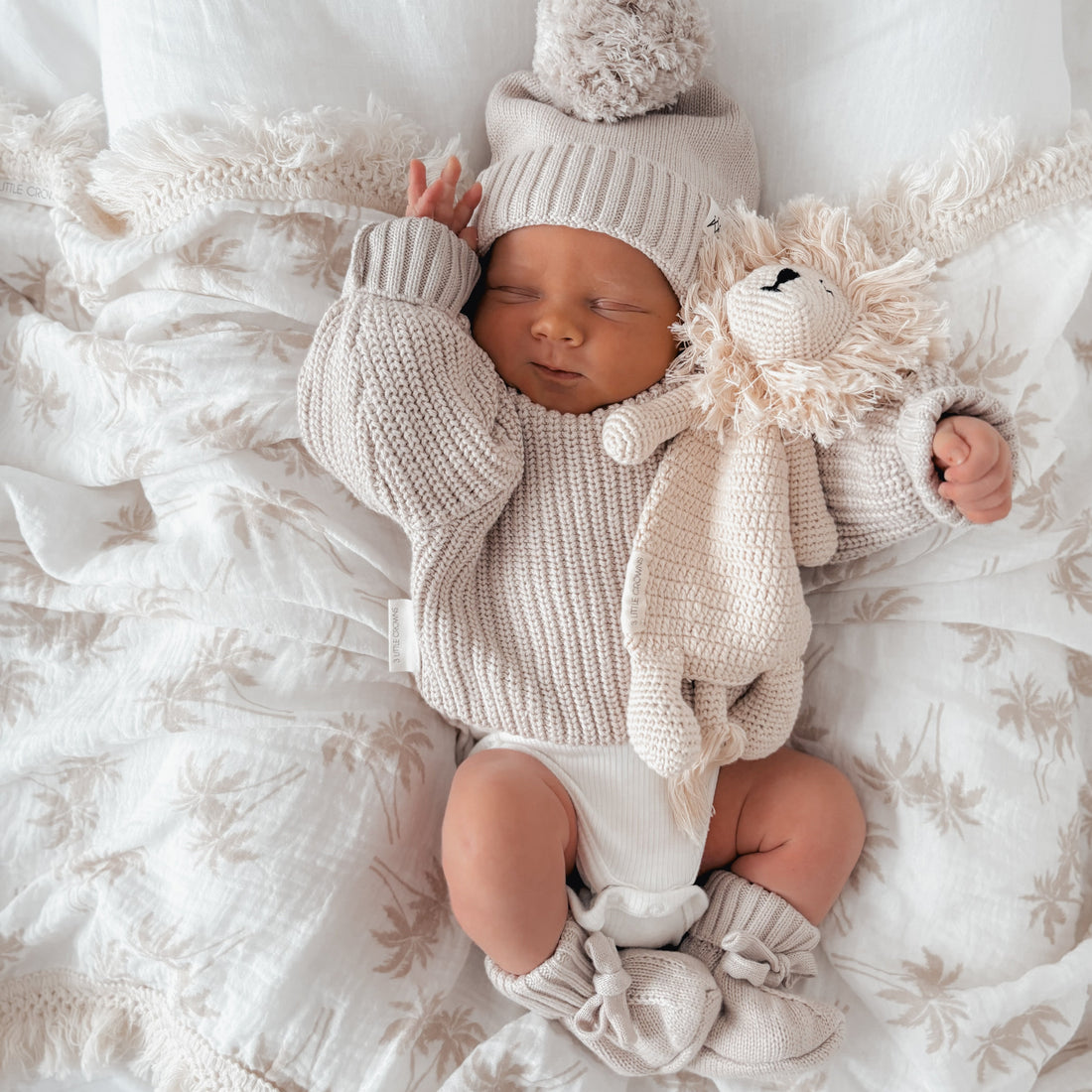
 Fringe Swaddle Blanket - PalmFringe Swaddle Blanket Palm
- Regular price
-
$42.95 AUD - Regular price
-
- Sale price
-
$42.95 AUD
-
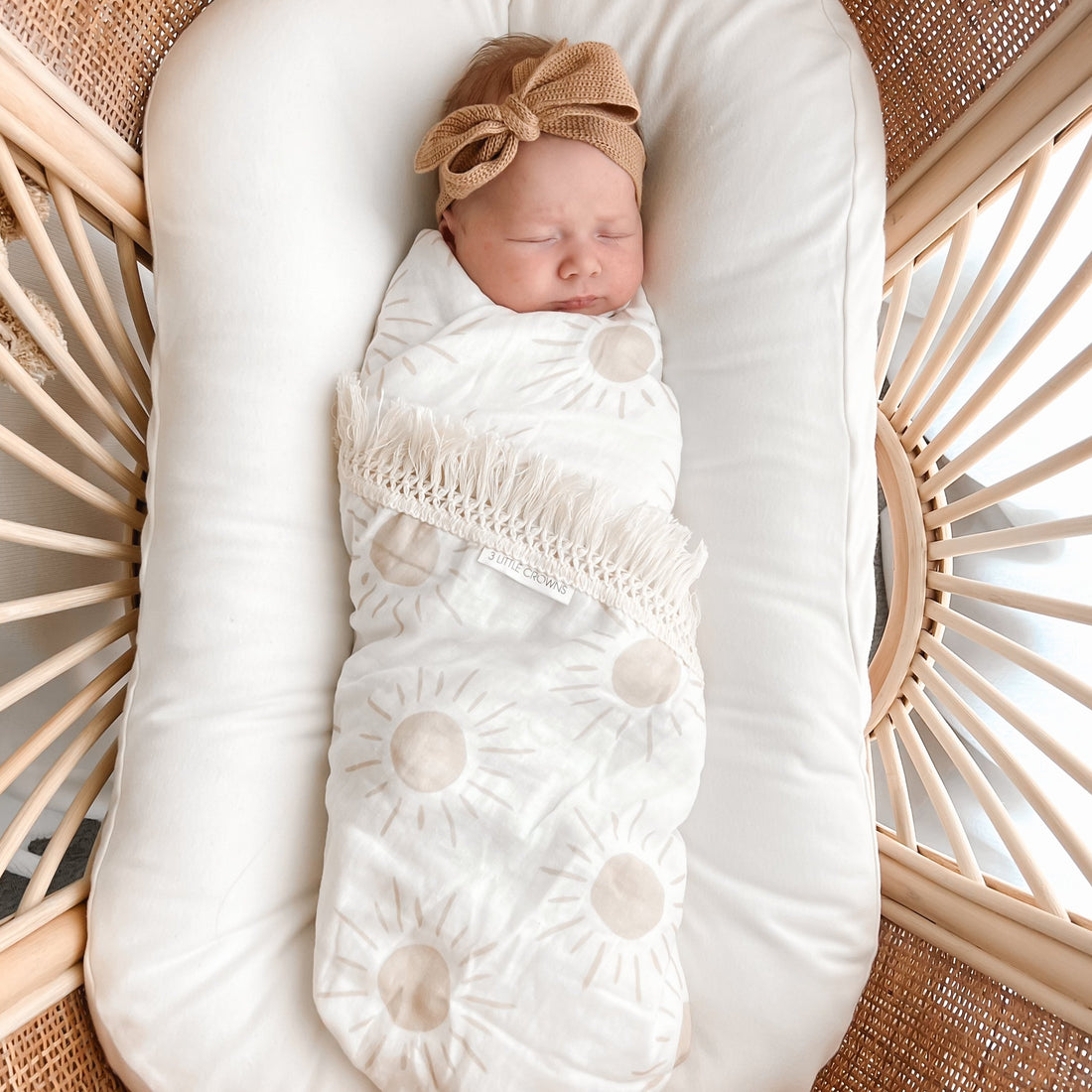
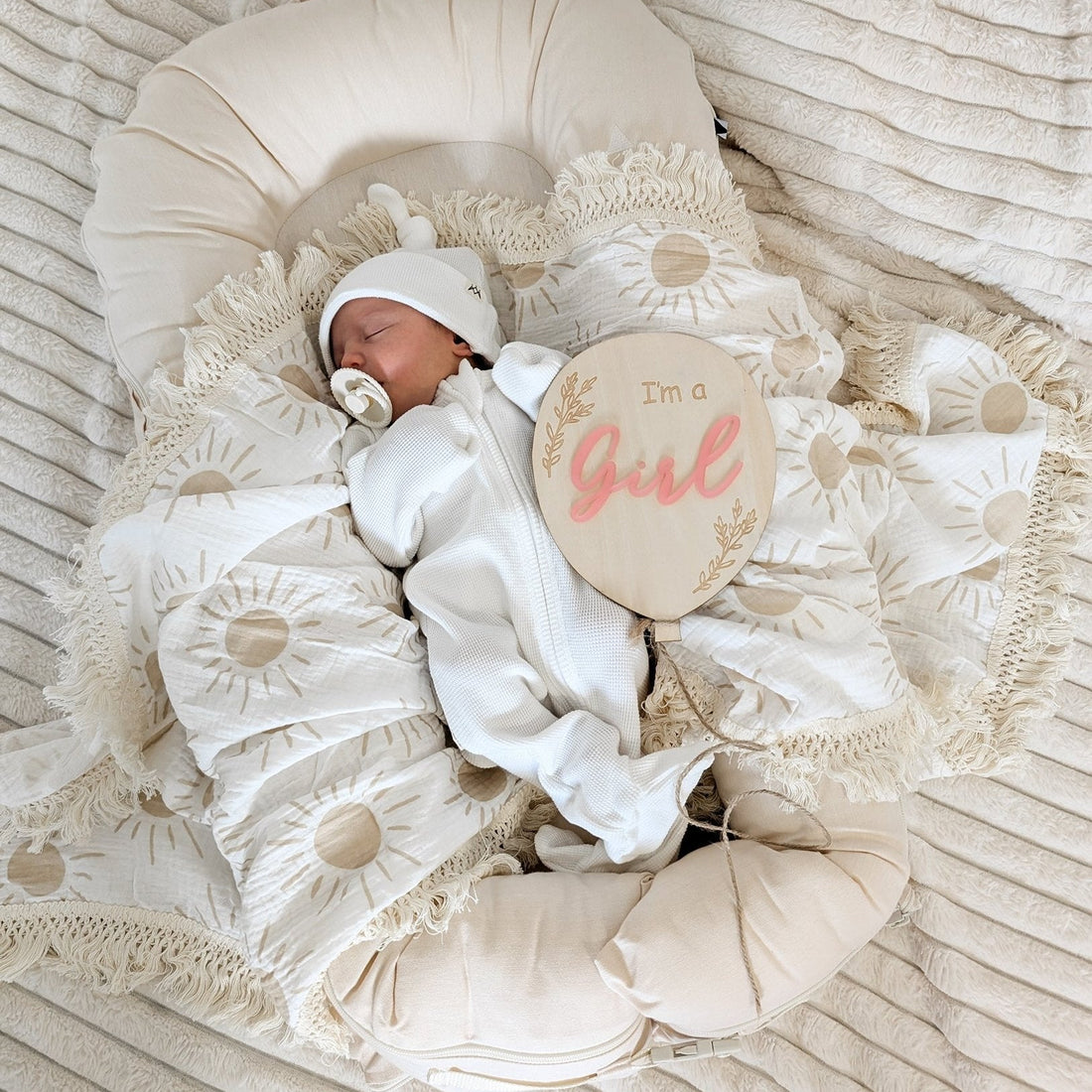 Fringe Swaddle Blanket - SunFringe Swaddle Blanket Sun
- Regular price
-
$42.95 AUD - Regular price
-
- Sale price
-
$42.95 AUD
-
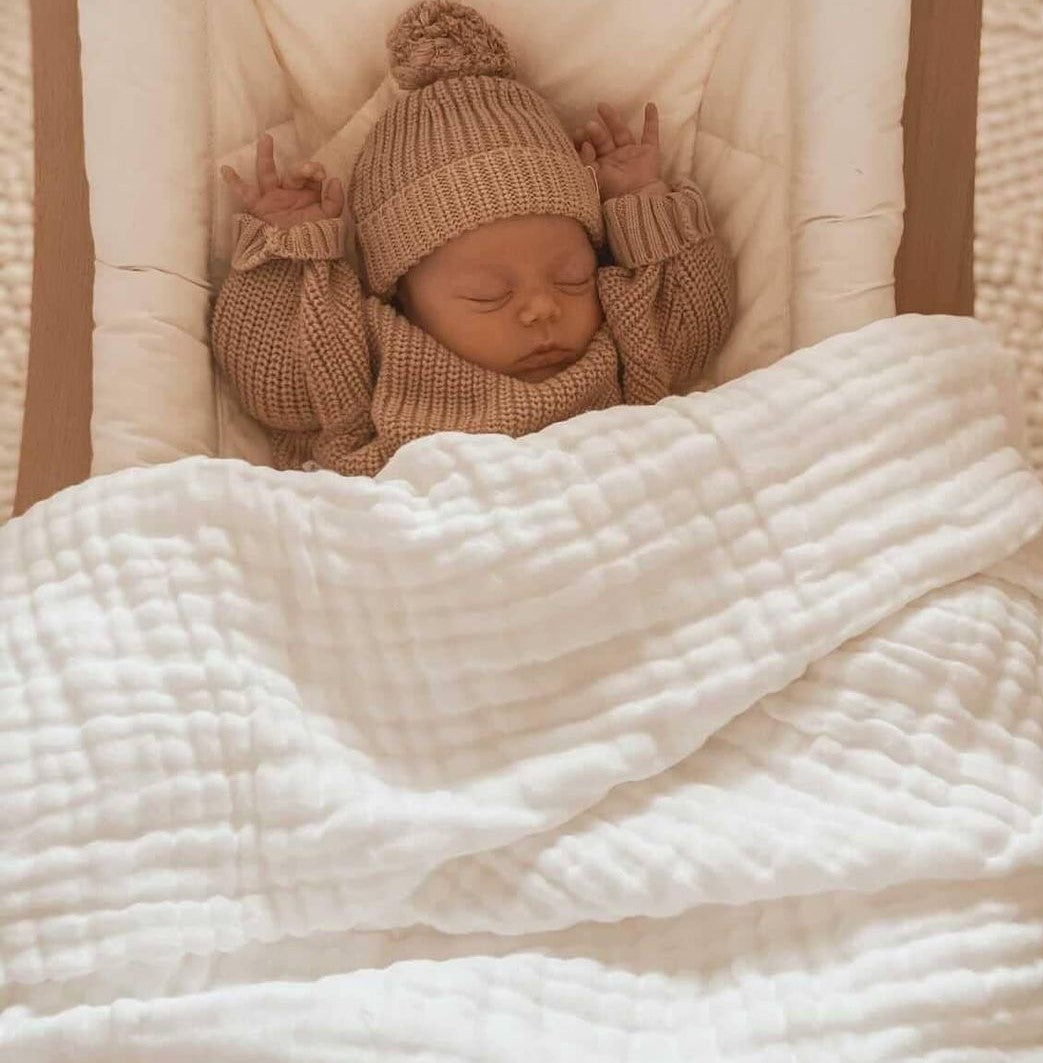
 Gauze Blanket Set - 3 PiecesGauze Blanket Set 3 Pieces
- Regular price
-
$139.95 AUD - Regular price
-
$156.85 AUD - Sale price
-
$139.95 AUD


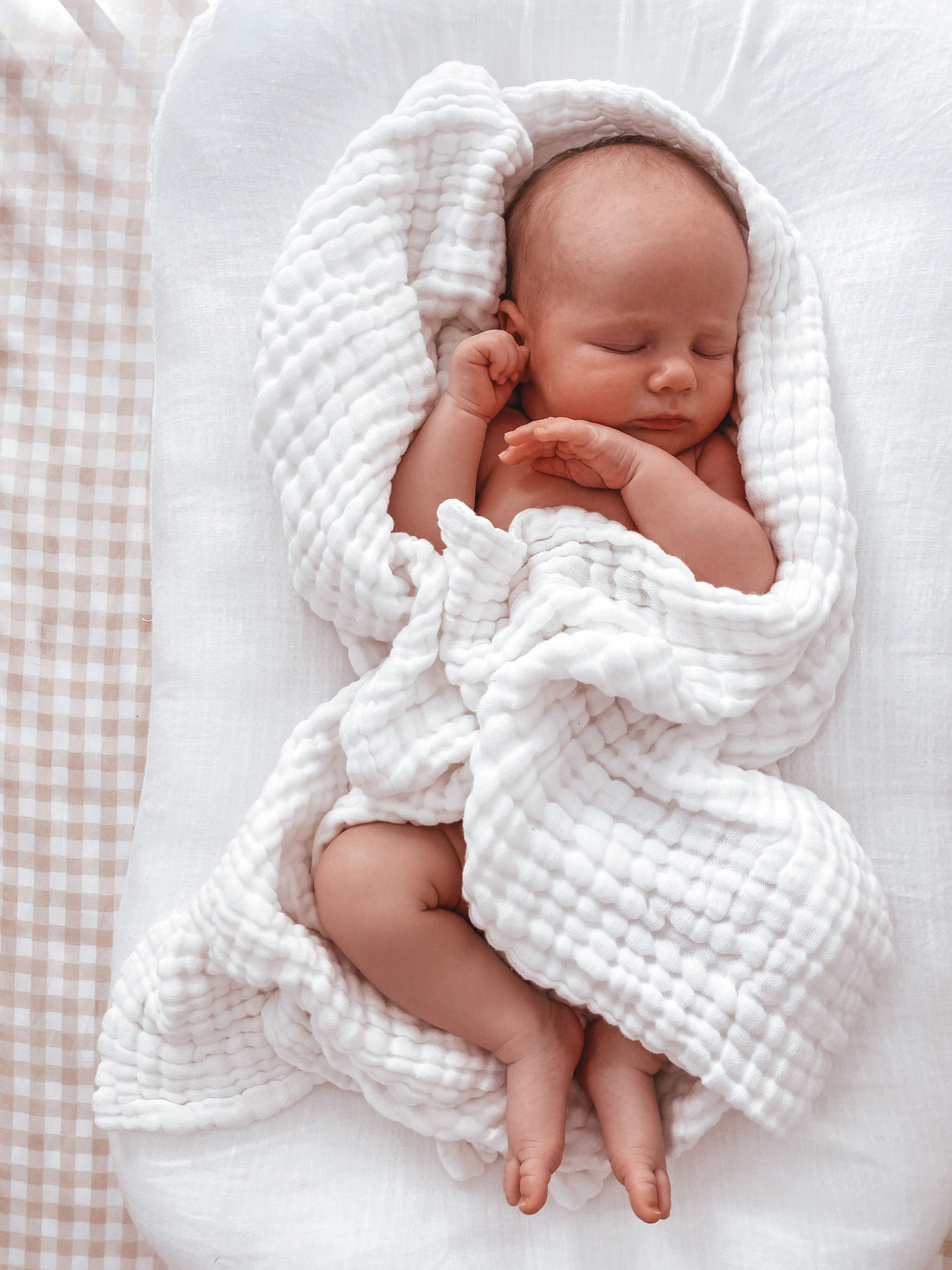
The blanket usually ends up in the photo. No one planned it that way. It's just there, tucked around a newborn in the bassinet, draped over the pram at the market, balled up next to a sleeping baby on the lounge. The good ones show up everywhere without you really noticing. That's what we make our baby blankets for.
How Most People Find Their Way to Baby Blankets
Most new parents don't overthink blankets at first. Then the one from the baby shower pills after three washes. The cellular blanket from the hospital kit feels scratchy by week two. The knit from the boutique is beautiful but too stiff to fold into anything smaller than a shopping bag.
A good cotton baby blanket is one of those purchases that quietly teaches you what you needed: soft, breathable, and the right size for the cot, the pram and the car seat. We'd rather save you that lesson.
What Makes a Baby Blanket Worth Keeping
Breathability isn't a marketing word here. Newborns overheat easily, and a blanket that traps warmth might look cosy without being safe for sleep. Cotton moves air in a way synthetic fabrics don't, and it gets softer with every wash instead of wearing out.
The other thing: one blanket is rarely enough. Washing cycles are real and babies are unpredictable, so two or three in rotation is sensible: a knit for the cot, a lighter gauze for the pram.
And the blankets that stick around are the ones with more than one job. Something that swaddles but also covers the pram. Something that packs small but still feels like something. If it can only do one thing, it stays in the drawer.
Wave Knit Blanket – Oat
This is the one that looks like a keepsake and then turns out to be a workhorse. The knitted texture has a warmth single-layer blankets can't quite match, and the 100% premium cotton stays soft against skin that reacts to everything. It folds small enough for a nappy bag, which matters more than it sounds at 6am when you're packing one-handed. One note: it's a knit, so rough surfaces can snag it. A gentle cycle and low heat keep it holding up well.
Shop the Wave Knit Blanket – Oat
Organic Cotton Gauze Blanket
Gauze feels different in your hands than a knit: lighter, slightly textured, with a softness that builds over time rather than arriving immediately. What you get in return is an organic cotton blanket that breathes properly, dries fast, and becomes noticeably better after every wash. For warmer months or babies who run hot, this is the one that gets used most.
Shop the Organic Cotton Gauze Blanket
Fringe Swaddle Blanket – Sun
Double-layer cotton gauze gives this one a little more body than the single gauze, without losing any breathability. It swaddles, covers the pram, works as a nursing shield, and fits easily into the side pocket of a nappy bag. It usually ends up living in the bag rather than the nursery. Explore the full Fringe Swaddle range, or shop the Sun colourway.
How Our Baby Blankets Work Together
A knit and a gauze together cover most of what the first year asks of you. The Wave Knit handles the cosier, quieter cot moments. The gauze takes the warmer days, the quick outings, the constant in and out of bags. Add the Fringe Swaddle to either and you have a practical set without overcomplicating it. A knitted beanie from our newborn beanies range rounds out a thoughtful baby gift.
FAQs
How should I wash these blankets?
Cold or warm gentle cycle, low heat or air dry. Cotton softens with washing rather than wearing out, as long as you keep the temperature down.
How many baby blankets do I actually need?
Two to three is realistic: one for the cot, one for the pram, and a spare for the inevitable wash-day gap.
What size should a baby blanket be?
A swaddle-sized blanket works for wrapping a newborn and doubles as a pram cover; a knit cot blanket gives more warmth for cooler nights.
Are these safe for newborn sleep?
Follow safe-sleep guidance for loose bedding. Breathable cotton is the safer choice, but supervised use is always best in the early weeks.